Camping, Part II

Sunday
We swapped campgrounds for our second night of camping. The site nearest the lake, while beautiful, proved to be full of danger for Jonas. First off, the camping areas consisted of leveled-off plateaus, which gave us some nice privacy but also created steep drop-offs on all four sides of the campground, which Jonas tumbled down a couple of times. He’s tough though. So even that might have been manageable, but the slopes fed into several concrete drainage gutters about six inches deep and wide – just big enough for a small boy to fall into and wash away, forever lost in Japan’s deepest lake. The drainage system was puzzling. It seemed a little much to me, considering the campground already was built on a decently steep decline, where the water could just run downhill naturally. Our friend Andrew theorized they were built mainly to give Japanese construction workers something to do. I suspect he’s right.
The new campground was high up in the mountains, where nearly all of the photos were taken. Best of all, the campground was nice and flat, so Jonas was free to run around picking up sticks and kicking his soccer ball. We knocked the ball around for awhile with a very cheerful 5-year-old Japanese boy, whose family camped near us (he’s the kid who makes the late appearance in the video of Jonas playing soccer). The rest of the day was spent on a short hike, at an Italian restaurant in a nearby ski town (surprisingly good), and cooking some meats and vegetables on a small grill we bought on sale at the hardware store. Purchasing the grill was a special thrill for me, as it was labeled half price, yet when I took it up to the register, I was charged full price. I managed to communicate through some terribly broken Japanese and many hand gestures that this wasn’t the correct price, and after a few panicked moments from the salesman, the mix-up was cleared up. A major difference in our cultures, we’ve found, is the level of professionalism and helpfulness of the workers here (even if it is part act), whether it’s at a hardware store, gas station or pricey restaurant. They’re aghast at even the appearance of a customer slight, and literally sprint from spot to spot to correct the situation. In general, Japan has this all-around positive vibe to it that I will definitely miss when we leave.
Monday
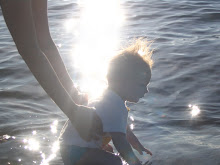
(not actually us)
After a colder-than-expected night, we ate breakfast, packed up the camping gear and headed off to the area’s famous onsens. The region is named Nyuto, which was described to me in great detail by my co-worker, who we’ll call B-San (a science teacher who studied in America for a year and speaks impeccable English. He sits next to me on Tuesdays, and is hilarious. He swears constantly, partly I think, because he knows only I can understand him). As B-san tells it, Nyuto literally translates to nipple, “You know, the nipple. The breast. The boob,” he said while cupping an imaginary breast, as if his description didn't do the job. The hot springs here have a milky-white appearance (hence the name). It has something to do with sulfur in the water, and is supposed to be medicinal in some way, which along with their remoteness, make them a popular draw. We found a “mixed onsen” where we could all enjoy the hot spring together. It might be our last mixed onsen experience, though. I won’t go into detail, but there was an off-putting guy who enjoyed wandering around the onsen, uh, displaying himself to everyone. It wasn’t exactly threatening; just odd. Each onsen also has a male-only, and female-only bath, which is what I’ll opt for next time. Aside from that, the hot spring was amazing and refreshing, and we all loved it. After that, we headed back to Akita City.
Next week (actually, tomorrow), we’re off to Hokkaido for a week-long vacation. Among the sites we’ll visit: “Japan’s Northernmost Zoo,” as described by the travel brochure. It’s also the most popular, with the most visitors annually.
But never mind that detail.